Staying Safe: Computer Security and Repair
In today’s digital age, computer security is paramount. As technology advances, so do the tactics of cybercriminals, making computer security and repair essential aspects of safeguarding your digital life. In this article, we’ll explore the key principles of computer security with Fides Tech Solutions and offer insights into the process of computer repair when things go wrong.
- Computer Security: Protecting Your Digital Fortress
- Strong Passwords and Authentication: Start with the basics – use strong, unique passwords for all your accounts and enable multi-factor authentication (MFA) wherever possible. This extra layer of security can thwart many potential threats.
- Regular Software Updates: Keeping your operating system, software, and antivirus programs up to date is crucial. Updates often contain security patches that address vulnerabilities that hackers can exploit.
- Firewalls and Security Software: Utilize firewalls to monitor and control incoming and outgoing network traffic. Invest in reputable security software that can detect and block malware, phishing attempts, and other threats.
- Safe Browsing Habits: Be cautious when clicking on links or downloading files from the internet. Stick to secure websites (look for “https://”) and avoid suspicious email attachments.
- Data Backup: Regularly back up your important data to an external drive or cloud storage. In case of a cyberattack, you can restore your data without paying a ransom.
- Awareness and Education: Stay informed about the latest cybersecurity threats and scams. Educate yourself and your family about social engineering tactics like phishing and how to recognize them.
- Network Security: Secure your home network with a strong password, change default router settings, and consider creating a separate guest network. This helps prevent unauthorized access.
Fides Tech Solutions
9880 Washington Blvd N., Laurel, Maryland, 20723
(410) 705-5125
- Computer Repair: When Problems Arise
- Identifying Issues: If your computer starts behaving strangely, such as slowing down, freezing, or displaying error messages, it’s essential to identify the problem. Is it a hardware or software issue? A malware infection? Accurate diagnosis is the first step.
- Backup Your Data: Before attempting any repairs, back up your data. This precaution ensures you won’t lose valuable information during the repair process.
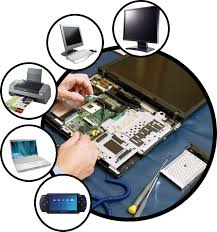
- Professional Assistance: For complex issues or hardware problems, it’s often best to consult with a professional computer repair technician. They have the expertise and tools to diagnose and fix a wide range of problems.
- DIY Repairs: Some software issues can be resolved by tech-savvy individuals. There are online resources, forums, and communities where you can find solutions to common problems. However, exercise caution to avoid making the problem worse.
- Operating System Reinstallation: If your computer is severely compromised by malware or software issues, a clean reinstall of the operating system may be necessary. Be sure to back up your data first.
- Preventative Maintenance: Regularly clean your computer’s hardware, remove dust, and ensure proper ventilation to prevent overheating. This can extend the life of your computer and reduce the likelihood of hardware failures.
Computer security and repair are interconnected aspects of maintaining a safe and reliable digital environment. By following best practices for computer security and knowing how to address common issues that may arise, you can enjoy a smoother and more secure computing experience. Remember that staying informed, proactive, and seeking professional assistance when needed are key to safeguarding your digital life.