
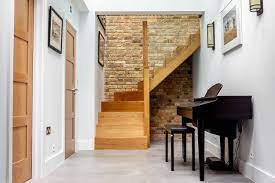
Renovating a historic home is like stepping back in time while embracing the future. These architectural gems hold a unique charm that captivates us with their stories and character. Preserving the heritage and soul of a historic home while infusing it with modern amenities and design elements is a delicate dance that requires both creativity and expertise. Renovating historic homes involves a delicate balance of preserving their inherent charm while infusing them with modern flair, creating a living space that transcends time and resonates with the essence of a dream home makeover. In this guide, we’ll explore the art of renovating historic homes, celebrating their timeless charm while embracing the convenience of contemporary living.
A Symphony of Time and Style
Historic homes have an undeniable allure, with their intricate details, original craftsmanship, and a sense of nostalgia that transcends generations. Renovating such homes involves striking a harmonious balance between preserving their historical significance and catering to the needs of modern living.
1. Understanding the Historical Context
Before embarking on any renovation journey, it’s crucial to understand the historical context of the home. Research its architectural style, period-specific features, and any notable events that took place within its walls. This knowledge will guide your renovation decisions and ensure that you stay true to the home’s heritage. In renovating historic homes, we artfully preserve the past while infusing modern flair, embodying the essence of preserving the past in every detail.
2. Preserving Original Features
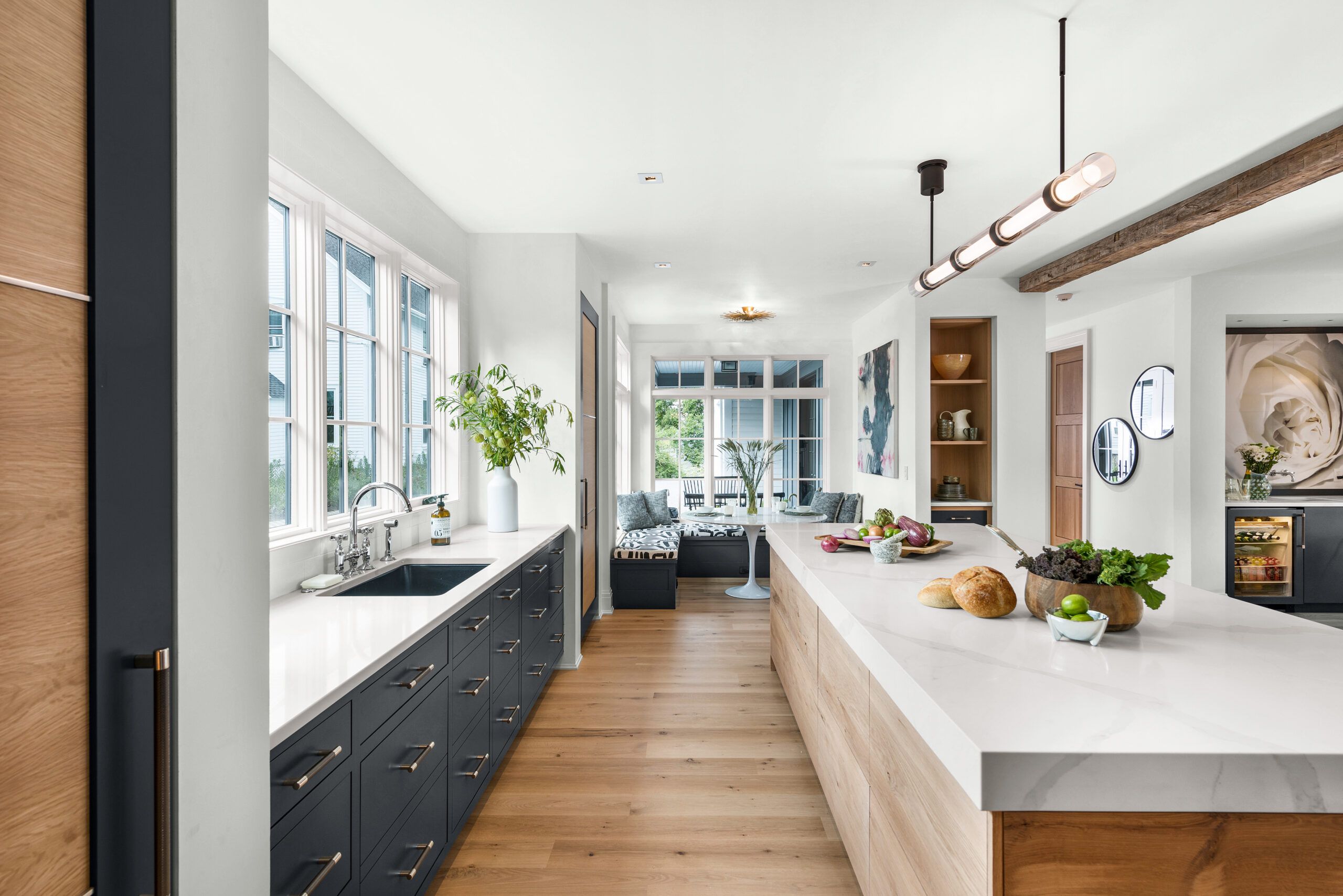
The beauty of historic homes lies in their unique details, from intricate moldings to original hardwood floors. Whenever possible, preserve these features as they contribute to the home’s character. Refurbish, repair, or restore them to their former glory, showcasing the craftsmanship of a bygone era.
3. Modern Upgrades with Sensitivity
Integrating modern amenities into a historic home requires careful consideration. Choose upgrades that align with the home’s aesthetic while enhancing its functionality. For example, discreetly integrate smart home technology or energy-efficient appliances without compromising the overall ambiance.
Crafting Modern Flair
The charm of renovating historic homes lies in the ability to blend the past with the present seamlessly. Infusing modern design elements can elevate the home’s appeal while respecting its heritage. Preserving charm with modern flair, homeowners can enhance their living spaces by carefully choose a color palette that effortlessly blends timeless elegance with contemporary vibrancy.
1. Open Concept Living
Historic homes often have distinct room divisions that may not align with contemporary living preferences. Consider opening up spaces to create a more open and flowing layout. This not only enhances functionality but also brings a modern touch to the interior.
2. Contemporary Color Palettes
While historical accuracy is important, don’t shy away from incorporating contemporary color palettes. Soft neutrals and muted tones can complement the original features while creating a fresh and inviting atmosphere.
3. Mixing Old and New Furnishings
When selecting furnishings, embrace a mix of old and new. Vintage pieces can harmonize with modern furniture, adding depth and visual interest to the interior. This eclectic approach highlights the home’s history while infusing it with modern flair.
4. Innovative Storage Solutions
Modern living often requires ample storage space. Integrate innovative storage solutions that cater to modern needs without compromising the home’s aesthetics. Built-in cabinets, hidden drawers, and creative shelving can provide functionality while maintaining the charm of the home.
Navigating Challenges with Expertise
Renovating historic homes comes with its challenges, from complying with preservation regulations to addressing potential structural issues. It’s essential to work with experts who specialize in historic preservation and restoration. Architects, contractors, and designers experienced in revitalizing historic properties can guide you through the renovation process while ensuring that the home’s integrity is preserved.
Your Timeless Retreat Awaits
Renovating a historic home is not just about restoring the past; it’s about celebrating the stories embedded within its walls and creating a haven that bridges eras. By marrying the charm of yesteryears with the comforts of today, you breathe new life into a piece of history. As you embark on this renovation journey, remember that you’re not merely working on a house; you’re stewarding a legacy for future generations to appreciate.